
- Car Insurance
Telematics-Driven Car Insurance: Savings for Safe Drivers Explored
- By Daniel Hall
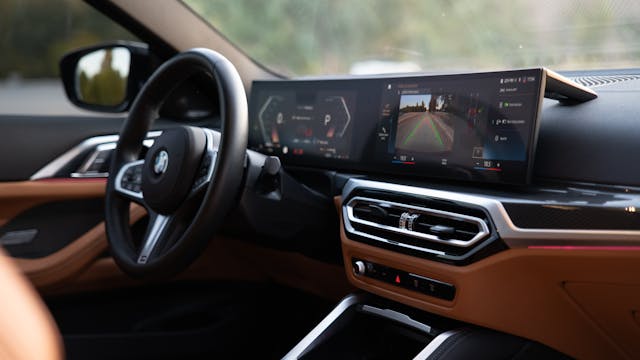
The Rise of Telematics in Car Insurance
In recent years, the car insurance industry has witnessed a significant transformation with the integration of telematics technology. This advancement is reshaping the way insurers assess risk and determine premiums. Telematics involves the use of telecommunications and informatics to monitor various aspects of a vehicle's performance and the driver's behavior. By collecting data such as speed, braking patterns, and time of travel, insurers can now offer usage-based insurance (UBI) models that reward safe driving habits.
Understanding Usage-Based Insurance Models
Usage-based insurance, or UBI, refers to policies where premiums are calculated based on actual driving data rather than traditional factors like age, gender, or location. This shift towards data-driven policies means that drivers have more control over their insurance costs. Essentially, the safer you drive, the more you save. These models usually employ one of two pricing strategies: pay-as-you-drive (PAYD) and pay-how-you-drive (PHYD).
Pay-As-You-Drive (PAYD)
The PAYD model calculates premiums based on the distance driven. This approach encourages drivers to reduce unnecessary trips and promotes eco-friendly practices by cutting down on mileage. For instance, consider Sarah, a freelancer who works from home most days. By opting for a PAYD policy, her minimal driving significantly lowers her premiums compared to a conventional flat-rate policy.
Pay-How-You-Drive (PHYD)
Conversely, the PHYD model assesses driving behavior to determine premiums. It focuses on metrics such as acceleration, cornering, and compliance with speed limits. A case study involving John, a delivery driver known for his smooth driving habits and adherence to speed limits, demonstrates how he benefited from lower rates through a PHYD policy.
The Mechanics Behind Telematics Devices
Telematics devices come in various forms: built-in systems in newer car models, plug-in devices connected to the vehicle's OBD-II port, or smartphone apps that use GPS data. Each type has its advantages and limitations.
- Built-In Systems: Often provide the most accurate data as they are integrated into the car's systems but may come with higher initial costs.
- Plug-In Devices: Easy to install and offer flexibility for use across different vehicles.
- Smartphone Apps: The most accessible option, though potentially less reliable due to battery drain or lack of constant connection.
The Privacy Trade-Off
One of the primary concerns surrounding telematics-driven insurance is data privacy. As insurers collect detailed information about driving habits and locations, questions arise regarding how this data is stored and used. Transparency is crucial; consumers should understand what data is being collected and how it affects their premiums.
Case Study: Balancing Privacy with Savings
A survey conducted by an independent research firm revealed that while 68% of participants expressed concerns over data privacy, 54% were willing to share their driving data for potential savings. Jane, a cautious driver worried about privacy, decided to use a telematics app that provides detailed transparency about data usage. This allowed her to make an informed decision while still enjoying reduced premiums.
Navigating Premium Variability
While telematics offers opportunities for savings, it also introduces variability in premium calculations. Unlike traditional policies with fixed rates, telematics-based premiums can fluctuate based on monthly or quarterly driving behavior assessments. This requires drivers to maintain consistently safe driving practices to ensure continued savings.
For example, a driver might enjoy reduced rates during months with minimal traffic violations but see an increase after receiving speeding tickets or being involved in minor accidents. Insurers typically provide feedback through dashboards or app interfaces, allowing drivers to adjust their habits proactively.
Maximizing Benefits: Practical Tips for Drivers
- Understand Your Policy: Before enrolling in a UBI program, review the terms carefully. Know what behaviors are monitored and how they influence your premiums.
- Consistent Monitoring: Regularly check your telematics data and insurer feedback to identify areas for improvement in your driving habits.
- Safe Driving Practices: Focus on maintaining steady speeds, avoiding abrupt stops, and adhering to traffic regulations to optimize savings.
By following these tips, drivers can maximize their benefits while minimizing potential increases in premiums due to inconsistent driving behavior.
The Future of Telematics-Driven Insurance
The integration of artificial intelligence (AI) and machine learning into telematics systems promises further advancements in usage-based insurance models. These technologies can enhance predictive analytics capabilities, offering even more personalized premium calculations based on nuanced behavior patterns.
Moreover, as electric and autonomous vehicles become more prevalent, telematics will play a crucial role in assessing new risk factors associated with these technologies.
Conclusion
Telematics-driven car insurance represents a paradigm shift towards more personalized and fair premium calculations. For safe drivers like Sarah and John, these policies offer tangible financial incentives while promoting safer roads. However, they must navigate challenges such as data privacy concerns and premium variability. By staying informed and proactive, drivers can leverage these innovative models for substantial savings without compromising privacy or security.
Related
- Health Insurance
Improving Health Outcomes Through Preventive Care in Insurance Plans
The Critical Role of Preventive Care in Health Insurance Preventive care is a cornerstone of effective healthcare, significantly impacting o…

- Travel Insurance
Adventures Gone Wrong: Travelers Share How Insurance Came to the Rescue
The Unexpected Journey: When Things Go Awry Traveling is often a thrilling escape from the mundane, a chance to explore new cultures, and so…

- Business Insurance
how freelancers can choose the best insurance coverage types
Understanding Your Risks as a Freelancer Freelancers enjoy a unique combination of autonomy and flexibility. However, this freedom comes wit…

- Travel Insurance
Analyzing Single Trip vs Annual Travel Insurance: Which Suits Your Needs?
Understanding Travel Insurance: Single Trip vs Annual Policies Travel insurance is a crucial component for anyone planning to travel, whethe…

- Car Insurance
The Role of AI in Personalized Auto Insurance Premium Rates
Understanding AI in Auto Insurance Artificial Intelligence (AI) has become an integral part of many industries, and auto insurance is no exc…

- Business Insurance
Advantages of Business Interruption Insurance Compared to Contingent Income Plans
Understanding the Basics: Business Interruption Insurance vs. Contingent Income Plans In the complex world of business insurance, it is cruc…