
- Claims
Assessing the Effects of Inadequate Records on Car Insurance Claims
- By José Martínez
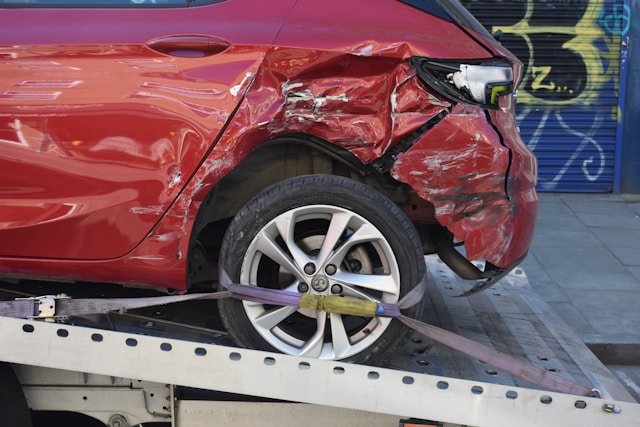
The Importance of Documentation in Car Insurance Claims
When it comes to car insurance claims, the quality and thoroughness of documentation can significantly influence the outcome. Insurance companies require concrete evidence to assess the extent of damages and verify the circumstances of an incident. Without proper documentation, policyholders may face delays, denials, or reduced payouts.
Understanding the Impact: A Statistical Viewpoint
Studies have shown that well-documented claims are approved at a rate approximately 25% higher than those with inadequate records. This difference often stems from the ability of thorough documentation to clearly outline the incident details and the associated damages.
For instance, a survey conducted by the National Association of Insurance Commissioners (NAIC) revealed that 70% of claimants who provided complete photographic and written evidence of their car's condition before and after an accident saw their claims processed faster and with fewer disputes.
Common Types of Documentation Required
To streamline the claims process, it's vital to understand the types of documentation typically required:
- Photos: Capture images of any damage from multiple angles, including close-ups and context shots.
- Police Reports: Obtain official reports if law enforcement was involved.
- Repair Estimates: Secure quotes from certified repair shops detailing the cost of repairs.
- Witness Statements: If available, collect contact details and statements from witnesses.
A Workflow for Efficient Documentation
To ensure you are always prepared to document any incidents effectively, consider adopting this simple framework:
- Immediate Action: After ensuring everyone's safety, use your smartphone to document the scene. Take wide-angle photos to capture the entire context and close-up shots for details.
- Collect Information: Gather information from all parties involved, including names, contact details, insurance information, and vehicle license plate numbers.
- Engage Authorities: Contact local authorities if necessary, and ensure you receive a copy of any reports they create.
- Consult Professionals: Before proceeding with repairs, obtain estimates from reputable mechanics and keep these documents handy.
Potential Disputes Arising from Inadequate Documentation
Lack of proper documentation can lead to several disputes with insurers. Common issues include disagreements over the severity of damages, the necessity of specific repairs, and even allegations of fraud.
A notable example involved a claimant whose vehicle sustained minor damage. Due to inadequate photographic evidence, the insurer questioned the legitimacy of additional damage claims not visible in the initial pictures. As a result, the claimant faced prolonged negotiations and a reduced settlement offer.
Practical Tips for Ensuring Adequate Documentation
Here are some actionable tips to improve your documentation process:
- Create a Routine: Make it a habit to regularly document your vehicle's condition, especially before long trips or in adverse weather conditions.
- Use Technology: Utilize apps designed for documenting auto incidents which can guide you through capturing necessary details efficiently.
- Backup Regularly: Ensure all digital copies of documents are backed up in cloud storage to prevent data loss.
The Role of Insurers in Documentation
While policyholders must be proactive in documenting incidents, insurers also play a crucial role. Many offer resources such as mobile apps to streamline data collection and submission. Some companies provide guidelines on what constitutes adequate documentation to avoid future disputes.
Conclusion: The Path Forward
The effects of inadequate records on car insurance claims underscore the importance of thorough documentation. By understanding requirements, adopting efficient workflows, and leveraging technology, policyholders can protect themselves from unnecessary disputes and ensure quicker, fairer claim resolutions.
Related
- Health Insurance
Improving Health Outcomes Through Preventive Care in Insurance Plans
The Critical Role of Preventive Care in Health Insurance Preventive care is a cornerstone of effective healthcare, significantly impacting o…

- Travel Insurance
Adventures Gone Wrong: Travelers Share How Insurance Came to the Rescue
The Unexpected Journey: When Things Go Awry Traveling is often a thrilling escape from the mundane, a chance to explore new cultures, and so…

- Business Insurance
how freelancers can choose the best insurance coverage types
Understanding Your Risks as a Freelancer Freelancers enjoy a unique combination of autonomy and flexibility. However, this freedom comes wit…

- Travel Insurance
Analyzing Single Trip vs Annual Travel Insurance: Which Suits Your Needs?
Understanding Travel Insurance: Single Trip vs Annual Policies Travel insurance is a crucial component for anyone planning to travel, whethe…

- Car Insurance
The Role of AI in Personalized Auto Insurance Premium Rates
Understanding AI in Auto Insurance Artificial Intelligence (AI) has become an integral part of many industries, and auto insurance is no exc…

- Business Insurance
Advantages of Business Interruption Insurance Compared to Contingent Income Plans
Understanding the Basics: Business Interruption Insurance vs. Contingent Income Plans In the complex world of business insurance, it is cruc…