
- Claims
Frequently Overlooked Errors That Can Delay Home Insurance Claims
- By Mika Sato
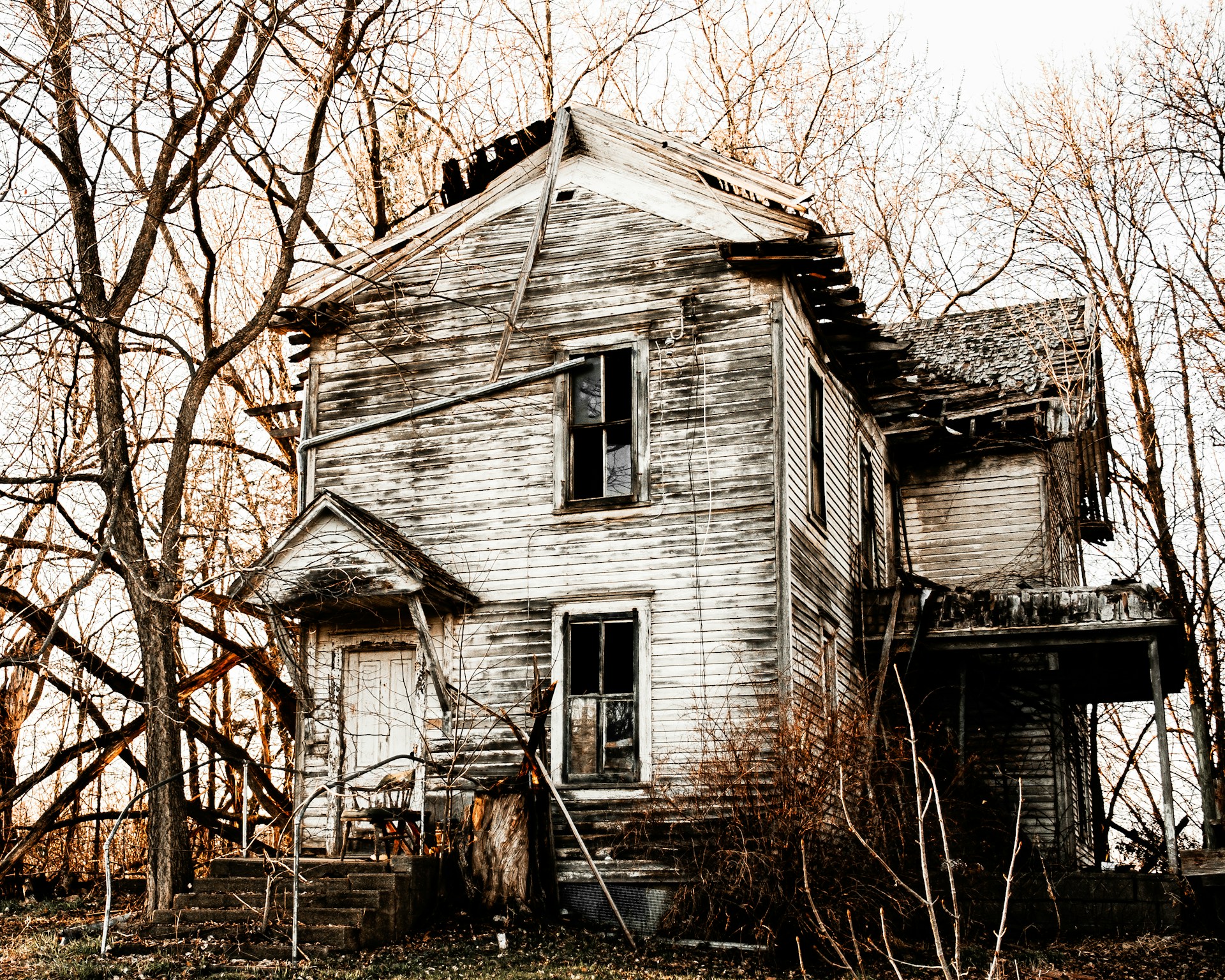
The Importance of Avoiding Errors in Home Insurance Claims
Home insurance serves as a vital safety net, protecting homeowners from the financial burden of unexpected damages or losses. However, filing a successful claim isn't always straightforward. Mistakes made during the claims process can lead to delays or even denials, leaving homeowners vulnerable to financial hardship. Understanding common errors and learning how to avoid them is essential for ensuring a smooth claims experience.
Common Documentation Errors
1. Inadequate Evidence of Ownership
One of the primary reasons for claim delays is insufficient documentation proving ownership of damaged or stolen items. Insurance companies require proof to validate claims and establish the value of lost property. Without proper evidence, insurers may question the legitimacy of a claim.
Tip: Maintain a comprehensive home inventory that includes receipts, photographs, and serial numbers for valuable items. Consider using digital tools or apps to store this information securely and ensure it's updated regularly.
2. Lack of Timely Reporting
Homeowners often delay reporting incidents to their insurance providers, which can complicate the claims process. Most insurance policies require prompt notification—typically within 24 to 48 hours after an incident occurs.
Tip: Review your policy to understand specific timeframes for reporting claims. Mark important dates and keep your insurer's contact information readily accessible to expedite communication when necessary.
3. Poorly Detailed Damage Descriptions
Submitting vague or incomplete descriptions of property damage can lead to misunderstandings and delays in processing claims. Insurers need detailed information to assess the extent of damage accurately.
- Provide clear descriptions: Use precise language when describing damage.
- Include supporting evidence: Attach photographs and video footage where possible.
Misunderstanding Policy Terms
1. Misinterpreting Coverage Limits
Many homeowners mistakenly assume that all damages will be covered, leading to frustration when claims are partially denied due to coverage limits. Understanding these limits can prevent surprises later.
Tip: Carefully review your insurance policy to know your coverage limits and exclusions. If necessary, discuss them with your insurance agent for clarity.
2. Incorrect Assumptions About Perils Covered
A common error is assuming that all types of damage are covered under a standard policy. Natural disasters like floods or earthquakes may not be included unless specifically added through endorsements.
Tip: Assess your location's risks and consider purchasing additional coverage for perils not included in your base policy, such as flood insurance if you live in a high-risk area.
The Role of Communication
1. Failing to Communicate Regularly with Insurers
Lack of communication can lead to misunderstandings and processing delays. Keeping open lines with your insurer ensures that you remain informed about your claim’s status and any additional information needed.
Tip: Regularly follow up with your claims adjuster and document every interaction to maintain a record of communications. This can be crucial if disputes arise later.
2. Not Seeking Clarification When Needed
If there’s uncertainty about any part of the claims process, not asking questions can lead to mistakes or missed opportunities for coverage.
- Be proactive: Don’t hesitate to ask your agent or adjuster for clarification on unclear terms or procedures.
Navigating Repair and Replacement Issues
1. Premature Repairs or Disposal of Damaged Property
Undertaking repairs or discarding damaged items before an insurance adjuster has evaluated them can lead to claim rejection, as it prevents proper assessment of damage and verification of loss.
Tip: Always wait for a professional inspection before making repairs or disposing of items unless they pose an immediate safety risk. Document any temporary fixes you must perform to prevent further damage, such as covering broken windows with tarp after a storm.
2. Hiring Unauthorized Contractors
Selecting contractors who aren’t approved by your insurer can invalidate parts of your claim. Insurance policies often stipulate that repairs must be conducted by certified professionals.
Tip: Consult your insurance provider’s list of approved contractors and ensure that any work performed complies with policy requirements.
Avoiding Financial Loss Through Vigilance
A well-handled insurance claim minimizes financial strain after an incident but requires diligence and awareness from homeowners throughout the process. By preparing beforehand with thorough documentation and understanding policy specifics, homeowners can reduce the likelihood of errors that might delay claims.
Stay Informed, Stay Prepared
- Create a detailed home inventory and update it regularly.
- Understand all aspects of your insurance policy, including coverage limits and excluded perils.
- Maintain clear communication with your insurer and seek assistance when necessary.
Avoiding these frequently overlooked errors empowers homeowners to navigate their insurance claims confidently and efficiently, securing timely support when it’s needed most.
Related
- Health Insurance
Improving Health Outcomes Through Preventive Care in Insurance Plans
The Critical Role of Preventive Care in Health Insurance Preventive care is a cornerstone of effective healthcare, significantly impacting o…

- Travel Insurance
Adventures Gone Wrong: Travelers Share How Insurance Came to the Rescue
The Unexpected Journey: When Things Go Awry Traveling is often a thrilling escape from the mundane, a chance to explore new cultures, and so…

- Business Insurance
how freelancers can choose the best insurance coverage types
Understanding Your Risks as a Freelancer Freelancers enjoy a unique combination of autonomy and flexibility. However, this freedom comes wit…

- Travel Insurance
Analyzing Single Trip vs Annual Travel Insurance: Which Suits Your Needs?
Understanding Travel Insurance: Single Trip vs Annual Policies Travel insurance is a crucial component for anyone planning to travel, whethe…

- Car Insurance
The Role of AI in Personalized Auto Insurance Premium Rates
Understanding AI in Auto Insurance Artificial Intelligence (AI) has become an integral part of many industries, and auto insurance is no exc…

- Business Insurance
Advantages of Business Interruption Insurance Compared to Contingent Income Plans
Understanding the Basics: Business Interruption Insurance vs. Contingent Income Plans In the complex world of business insurance, it is cruc…